June 23, 2026
Interior lighting influences far more than visibility. The right lighting plan can make a room feel larger, more welcoming, more productive, or more relaxing depending on the goals of the space. Whether someone is renovating a single room or designing an entire home, thoughtful lighting choices play a significant role in both appearance and functionality.
Many property owners discover that selecting fixtures is only one part of the process. A professional lighting service evaluates how light interacts with architectural features, furniture, colors, and daily activities. By carefully assessing each environment, lighting professionals can create balanced solutions that enhance comfort and usability throughout the home.
1. Evaluating the Purpose of Each Space
Matching Lighting to Daily Activities
One of the first things a lighting professional considers is how a room will be used. Every space serves a different purpose, and lighting should support those functions. A kitchen may require brighter illumination for food preparation, while a bedroom often benefits from softer lighting that promotes relaxation.
Designers begin by discussing how occupants spend time in each room. Reading, cooking, entertaining, working, and grooming all require different levels of visibility. Understanding these activities allows lighting professionals to recommend fixtures and layouts that improve convenience while maintaining visual appeal.
This evaluation often extends beyond current needs. Professionals may also consider how a family's lifestyle could evolve. A guest room might eventually become a home office, or a dining room could serve multiple purposes throughout the year. Flexible lighting plans help ensure the space remains functional and attractive as needs change.
Creating Appropriate Light Levels
Once a room's purpose has been identified, lighting experts determine the amount of illumination needed. Spaces with detailed tasks generally require more vibrant light than areas intended for rest or conversation. Excessive brightness can feel harsh, while insufficient lighting may create discomfort and reduce functionality.
A professional lighting service evaluates room dimensions, ceiling heights, surface finishes, and natural light availability before recommending specific lighting levels. This comprehensive approach helps ensure that every room receives appropriate illumination throughout the day and evening.
The color and reflectivity of walls, flooring, and furnishings can also affect perceived brightness. Lighter finishes reflect illumination more effectively, while darker materials absorb light and may require additional fixtures to achieve the desired effect.
Balancing Comfort and Atmosphere
Beyond visibility, lighting affects the overall mood of a room. Professionals carefully consider how color temperature influences the experience of a space. According to Marymount University, lighting within the 2,700K to 3,000K range tends to create a warm, inviting environment, while lighting between 4,000K and 5,000K is often better suited for concentration and productivity.
By understanding these effects, a professional lighting service can recommend lighting that complements a room's intended atmosphere. The goal is to create environments that feel comfortable and supportive of everyday activities without sacrificing style.
Careful attention to atmosphere can also influence how people perceive the size and character of a room. Well-planned lighting helps create inviting spaces where homeowners and guests naturally want to spend time.
2. Layering Different Types of Illumination
Incorporating Ambient Lighting
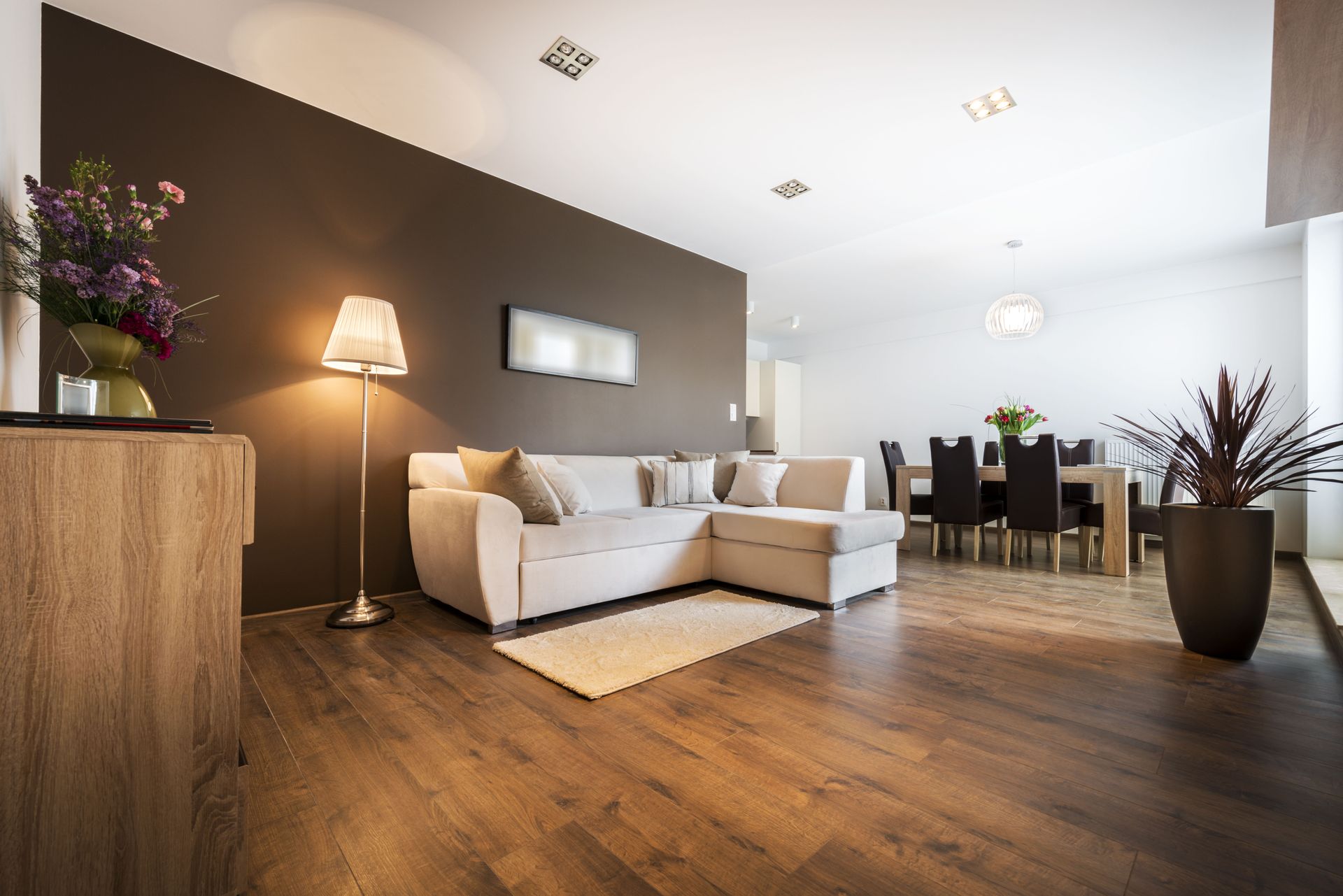
Another important consideration is the use of layered lighting. Rather than relying on a single fixture, lighting professionals typically combine multiple light sources to achieve a balanced result. Ambient lighting serves as the foundation of this approach by providing overall illumination throughout a room.
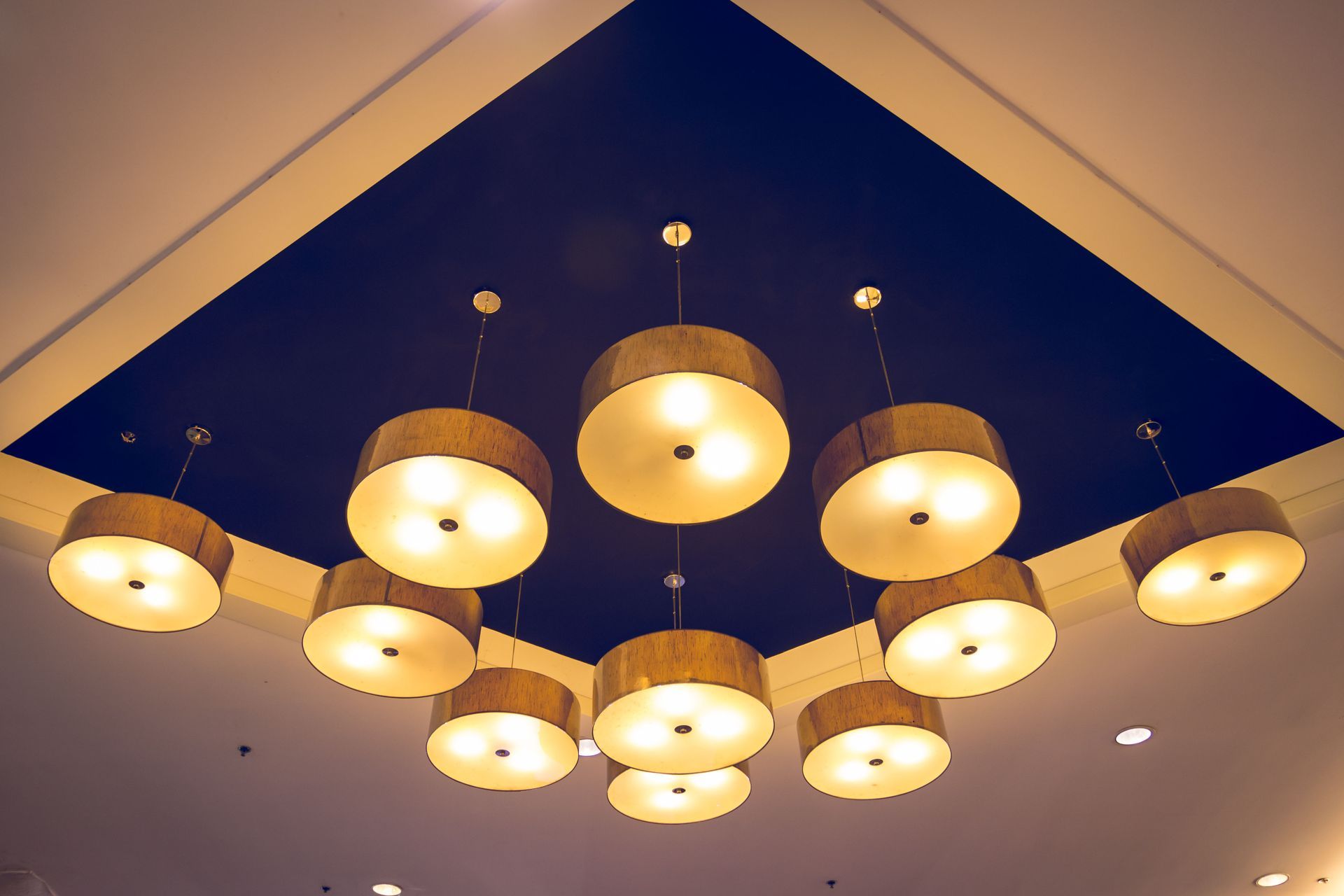
Ceiling-mounted fixtures, chandeliers, flush-mount lights, and recessed lighting are common sources of ambient light. Their primary purpose is to establish general visibility while creating a comfortable baseline level of illumination. A professional lighting service evaluates fixture placement carefully to minimize shadows and create consistent coverage.
Proper ambient lighting also helps establish visual harmony throughout the home. It creates a foundation that allows other lighting elements to perform their roles effectively while maintaining a cohesive appearance.
Adding Task Lighting Where Needed
While ambient lighting provides general illumination, many activities require more focused light. Task lighting is designed to support specific functions and improve visibility in key areas. Examples include pendant lights above kitchen islands, vanity lighting in bathrooms, and reading lamps in living rooms or bedrooms.
Lighting professionals analyze how homeowners use their spaces before determining where task lighting should be installed. Proper placement helps reduce eye strain and improves the usability of the room. This targeted approach allows occupants to perform daily activities more comfortably and efficiently.
Well-positioned task lighting can also reduce dependence on excessive overhead lighting, creating a more pleasant environment while helping individual areas function more effectively.
Using Accent Lighting to Highlight Features
Accent lighting adds depth and visual interest to an interior environment. It is often used to draw attention to artwork, architectural details, decorative displays, or textured surfaces. When incorporated correctly, accent lighting creates dimension and helps a room feel more sophisticated.
A professional lighting service understands how to position accent fixtures to achieve the desired effect without overwhelming the overall design. The careful combination of ambient, task, and accent lighting creates a layered environment that feels balanced and visually engaging.
Accent lighting can also create focal points that guide the eye throughout a room. This subtle design technique contributes to a more polished and thoughtfully designed interior.
3. Coordinating Lighting With Interior Design
Complementing Architectural Features
Lighting should work in harmony with a home's architecture. Professional designers examine ceiling heights, room proportions, wall finishes, and structural details before selecting fixtures. These characteristics influence both the size and style of the lighting elements chosen for the space.
For example, a grand foyer may benefit from a statement chandelier that enhances vertical space, while a room with lower ceilings may require flush or semi-flush fixtures. A professional lighting service ensures that lighting selections complement architectural features rather than compete with them.
This approach helps emphasize the unique characteristics of the home while ensuring that fixtures feel like a natural extension of the overall design.
Maintaining Design Consistency
Consistency throughout the home is another important factor. While individual rooms may have unique functions, they should still feel connected as part of a cohesive design. Lighting professionals consider fixture finishes, shapes, materials, and decorative details to create visual continuity from one space to another.
This coordinated approach helps establish a unified aesthetic. Whether a homeowner prefers traditional, contemporary, transitional, or eclectic design, lighting choices should reinforce the overall style while meeting practical needs.
Maintaining consistency does not mean every fixture must match exactly. Instead, professionals look for complementary elements that create visual harmony throughout the property.
Considering Scale and Proportion
The size of a fixture can significantly affect the appearance of a room. Fixtures that are too large may dominate the space, while those that are too small can appear insignificant and fail to provide adequate illumination. Determining the correct scale requires careful planning and experience.
A professional lighting service evaluates room dimensions, furniture placement, ceiling height, and sightlines when recommending fixture sizes. Proper proportion ensures that lighting contributes positively to the room's design while providing the necessary level of illumination. This attention to detail helps create interiors that feel polished, balanced, and welcoming.
Professionals also consider how fixtures will appear from different viewpoints throughout the home. This broader perspective helps ensure that lighting selections contribute to a cohesive and attractive interior experience from room to room.
Successful interior lighting involves much more than selecting attractive fixtures. Every decision should support the room's function, contribute to a layered lighting strategy, and complement the surrounding design elements. When these factors work together, the result is a space that feels both beautiful and practical.
By assessing how people use their homes and how light interacts with the environment, a professional lighting service can develop solutions that improve comfort, usability, and visual appeal. Thoughtful lighting design remains one of the most effective ways to enhance the overall experience of any interior space. If you're interested in elevating your indoor space with high-quality interior lighting, reach out to Lights On Design!