March 25, 2026
Lighting plays a much larger role in a home than simply making spaces visible. The way light is layered throughout a room affects comfort, functionality, mood, and even how large or inviting a space feels. A single overhead fixture rarely provides everything a room needs, which is why thoughtful lighting design focuses on balance rather than brightness alone. When lighting is planned with intention, it supports how people actually live and move through their homes.
Layered lighting brings together multiple light sources, each serving a distinct purpose. When done well, it creates a home that feels comfortable, adaptable, and visually appealing throughout the day and night. According to Insights, LED systems consume, on average, 75% less energy than their incandescent predecessors, making modern lighting strategies both practical and energy-conscious. In this article, we'll walk through how to layer lighting for a balanced and functional home, from understanding core lighting types to choosing fixtures that work together seamlessly.
Start With Ambient Lighting as the Base Layer
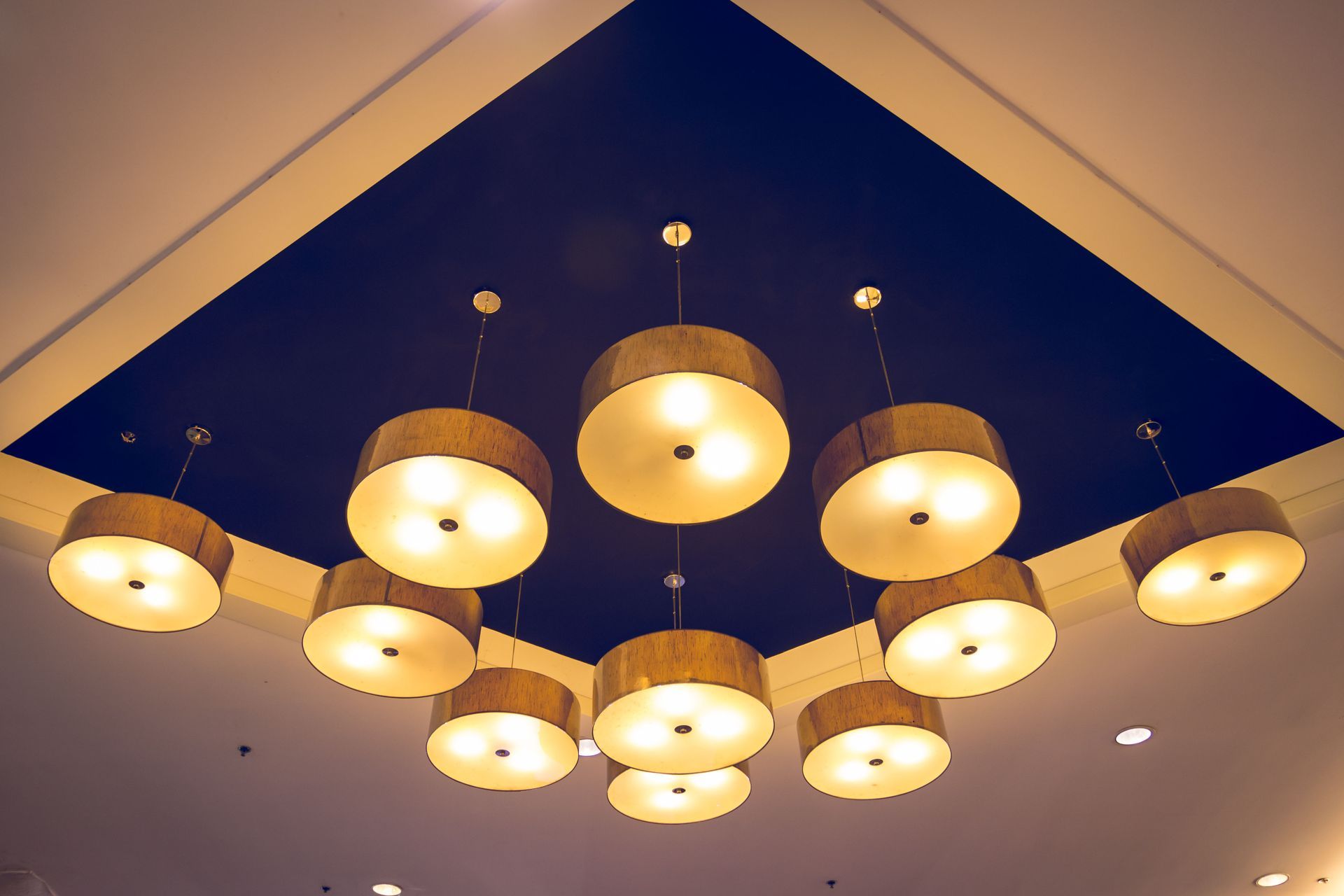
Ambient lighting is the foundation of any room's lighting plan. It sets the general brightness level and establishes how a space feels when first entered. Common sources include ceiling-mounted fixtures, recessed lights, chandeliers, and flush mounts. This layer creates overall visibility and helps define the room's atmosphere.
When choosing ambient lighting, it's important to consider ceiling height, room size, and natural light availability. A well-lit room should feel evenly illuminated without harsh glare or deep shadows. Ambient lighting alone may not meet every need, but it creates the base that supports additional layers and ties the entire lighting scheme together.
Add Task Lighting for Everyday Activities
Task lighting focuses light exactly where it's needed. Kitchens, home offices, bathrooms, and reading areas benefit most from this layer. Under-cabinet lighting, desk lamps, vanity lights, and adjustable wall fixtures all fall into this category.
Without proper task lighting, even a bright room can feel impractical. Shadows and uneven illumination can make everyday activities more difficult and tiring. Layering task lighting on top of ambient light improves visibility and makes spaces more functional without increasing overall brightness unnecessarily.
Use Accent Lighting to Create Visual Interest
Accent lighting adds depth and personality to a home. It's used to draw attention to specific features such as artwork, shelving, textured walls, or architectural details. Wall sconces, track lighting, and picture lights are common accent options.
This layer helps prevent rooms from feeling flat or one-dimensional. Accent lighting creates contrast, which enhances visual appeal and adds warmth. When combined with ambient and task lighting, it gives rooms a polished, intentional look that feels both inviting and dynamic.
Balance Light Levels Throughout Each Room
Balance is key when layering lighting. Too much brightness can feel overwhelming, while too little can make a space uncomfortable. The goal is to distribute light evenly while allowing flexibility based on time of day and activity.
Dimmers are especially useful for achieving balance. They allow homeowners to adjust light levels easily, shifting from bright task-focused settings to softer, relaxed environments. Many lighting stores offer dimmable options that integrate seamlessly into layered designs, making balance easier to maintain.
Layer Lighting in Living Rooms and Common Areas
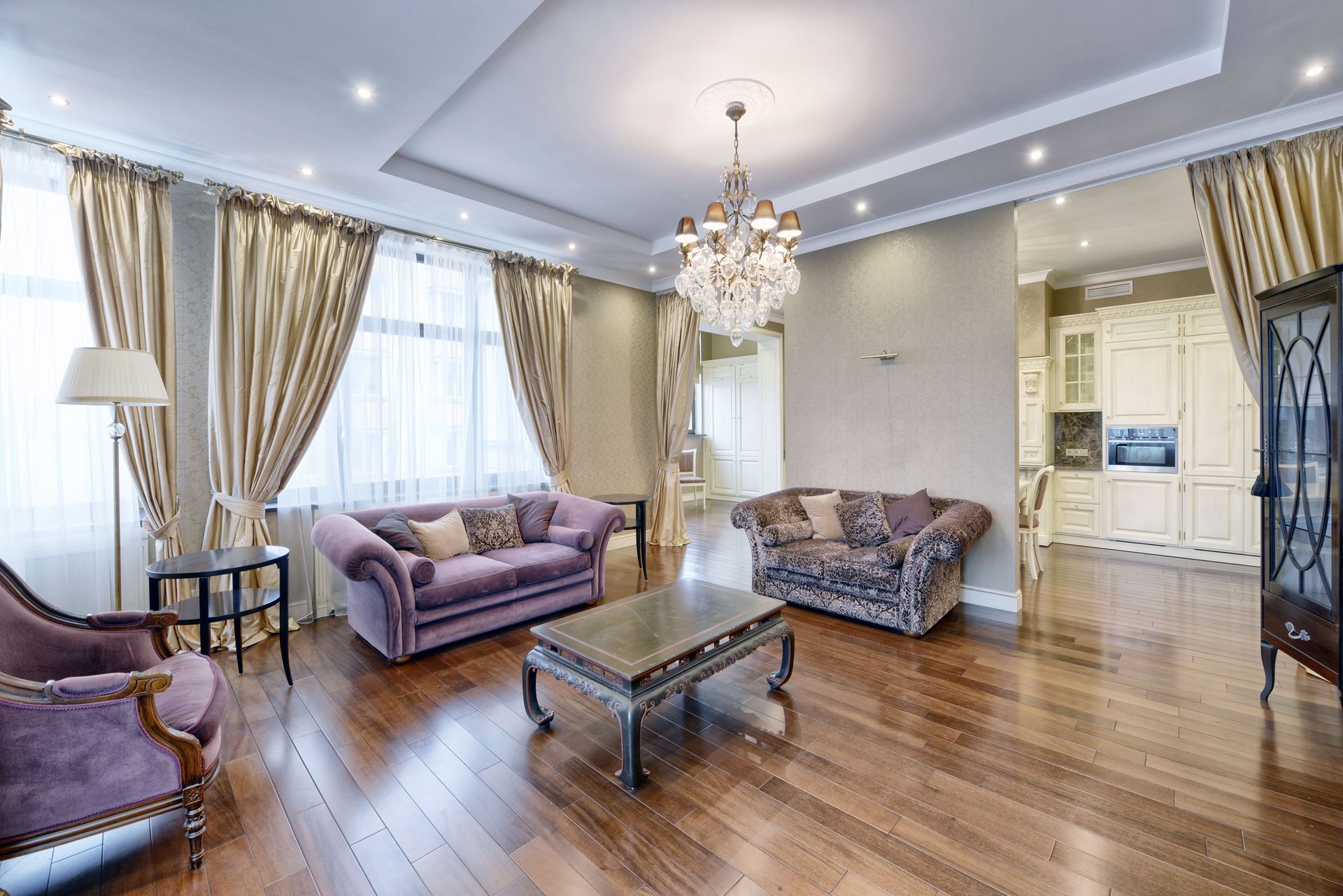
Living rooms often serve multiple purposes, from entertaining guests to relaxing in the evening. Ambient lighting might include ceiling fixtures or recessed lights, while table lamps and floor lamps provide task lighting for reading or hobbies.
Accent lighting can highlight artwork, fireplaces, or shelving. By layering these elements, the room becomes adaptable to different activities without relying on a single light source. Thoughtful placement helps create zones within the space, improving comfort and flow.
Create Functional Layers in Kitchens and Dining Spaces
Kitchens require a strong focus on task lighting due to food preparation and cooking. Under-cabinet lighting, pendant lights over islands, and focused fixtures above work areas support visibility and safety.
Ambient lighting fills in the gaps, while accent lighting can highlight design features like backsplashes or cabinetry. Dining areas benefit from adjustable lighting that can transition from functional to atmospheric. Lighting stores often carry coordinated fixture collections that simplify creating cohesive kitchen and dining layers.
Design Comfortable Bedroom Lighting
Bedrooms benefit from softer, more flexible lighting schemes. Ambient lighting provides general illumination, while bedside lamps or wall-mounted reading lights serve as task lighting.
Accent lighting, such as LED strips behind headboards or subtle wall sconces, adds warmth without overpowering the space. Layered lighting in bedrooms supports relaxation while still offering enough light for practical needs, such as reading or getting ready.
Improve Bathrooms With Layered Lighting
Bathrooms require careful lighting design due to grooming tasks and safety considerations. Ambient lighting brightens the overall space, while task lighting around mirrors reduces shadows on the face.
Accent lighting can enhance features like vanities or architectural niches. Layering lighting in bathrooms improves functionality and creates a cleaner, more comfortable environment. Many lighting stores specialize in bathroom-rated fixtures designed to work well together.
Use Energy-Efficient Lighting for Long-Term Benefits
Energy efficiency plays an important role in modern lighting design. LED technology has made it easier to layer lighting without significantly increasing energy use. According to Insights, LED systems consume, on average, 75% less energy than their incandescent predecessors.
This efficiency allows homeowners to incorporate multiple light sources while keeping energy costs manageable. LEDs also offer longer lifespans, reducing maintenance and replacement needs. Choosing energy-efficient fixtures supports both sustainability and long-term value.
Coordinate Fixture Styles and Finishes
Consistency in style helps layered lighting feel cohesive. While fixtures don't need to match exactly, they should complement one another in finish, scale, and design language.
Lighting stores often organize fixtures by style or collection, making it easier to coordinate selections across rooms. Mixing styles thoughtfully can add character, but maintaining visual harmony keeps lighting from feeling disjointed or cluttered.
Plan Lighting During Home Updates or Renovations
Layered lighting works best when planned early. During renovations or updates, homeowners have more flexibility to add wiring, switches, and fixture placements that support multiple layers.
Even in existing homes, thoughtful planning can improve lighting without major changes. Portable lamps, plug-in sconces, and battery-powered accent lights offer flexible solutions. Consulting knowledgeable staff at lighting stores can help identify options that fit both design goals and structural limitations.
Avoid Common Layered Lighting Mistakes
One common mistake is relying too heavily on overhead lighting. While convenient, it often creates flat, harsh illumination. Another issue is ignoring task lighting, which can leave functional areas underlit.
Poor placement or mismatched fixture styles can also disrupt balance. Avoiding these pitfalls starts with understanding how each lighting layer contributes to the whole. Taking time to plan placement and purpose leads to better results and fewer adjustments later.
Layered lighting transforms a home by improving functionality, comfort, and visual appeal. By combining ambient, task, and accent lighting, homeowners can create spaces that adapt easily to different activities and moods. From living rooms and kitchens to bedrooms and bathrooms, thoughtful layering enhances how spaces are experienced every day.
With energy-efficient options and a wide variety of fixtures available, creating balanced lighting is more accessible than ever. If you're ready to improve your home's lighting, explore options at Lights On Design to start planning layers that fit your lifestyle. A well-designed lighting approach today can make your home more comfortable, efficient, and enjoyable for years to come.